

To protect hair from chlorine, soak it with clean water and add a leave-in conditioner or oil before you swim, wear a well-fitted swim cap, and rinse as soon as you get out. If light hair turns green, copper in the water is usually the cause, and in a 2024 case report the tint faded with a chelating shampoo.
Key takeaways
- Chlorine strips the natural oils that protect hair. Frequent swimmers see the most dryness and breakage (Cleveland Clinic).
- Before you swim: shower and soak your hair, add a leave-in or oil, and wear a cap (CDC, AAD, Cleveland Clinic).
- After: rinse right away, shampoo and condition, and deep condition once a week if you swim often.
- Green hair comes from copper, often from pool algaecides or copper pipes. It mostly shows up in light hair with a damaged cuticle.
- For kids: wash off pool chemicals, don’t share towels or brushes, and keep them away from pool drains (AAD, CDC, CPSC).
What does chlorine do to your hair?
Chlorine keeps pool water free of germs, but it also strips away the natural oils that protect your hair. Cleveland Clinic dermatologist Taylor Bullock says hair can turn dry, rough and dull, and break more easily, the more contact it has with chlorine. The AAD adds that chlorine dissolves the fats that coat the hair shaft, which leaves hair prone to split ends, and can break down the bonds in hair protein.
Most people won’t notice significant damage from an occasional swim; frequent swimmers are much more likely to (Cleveland Clinic). In a 2000 study of 67 swimmers on Japan’s national team, 61% had discolored, golden hair, compared with none of 54 non-swimmers. The discolored hairs had lost their cuticle, and the researchers suggested that hypochlorous acid from the pool water got into the hair and broke down its pigment (Nanko et al.).
How to protect your hair before you swim
- Shower first. The CDC asks swimmers to shower before getting in: one minute removes most of the dirt, sweat and oils that use up the pool chemicals needed to kill germs. Let that shower soak your hair. Dr. Bullock says hair already saturated with clean water absorbs less chlorinated water.
- Add a leave-in or oil. The AAD and Cleveland Clinic both suggest a leave-in conditioner or hair oil before you get in, as a barrier between your hair and the pool water.
- Wear a well-fitted swim cap. Cleveland Clinic says a cap helps most if you swim often or have color-treated or chemically processed hair. The CDC lists a bathing cap among the ways to keep chloramines, the irritants behind the “chlorine smell,” from forming.
No method blocks chlorine completely, Dr. Bullock says, but combining these steps can significantly reduce damage.
At outdoor pools, sun adds its own damage. The AAD suggests a wide-brimmed hat, shade, and avoiding peak sun from 10 a.m. to 2 p.m. If your hair is thin, put sunscreen on your scalp or wear the hat, and reapply sunscreen every two hours and right after swimming (AAD). See our daily sunscreen guide.
What to do after swimming
- Rinse right away. The longer chlorine stays in your hair, the more damage it can do (Cleveland Clinic).
- Shampoo. The AAD recommends a specially formulated swimmers’ shampoo, which it says removes the chlorine. Cleveland Clinic suggests a gentle shampoo.
- Condition. Follow with a deep conditioner (AAD). If you swim often, Cleveland Clinic suggests a deep-conditioning treatment once a week to replace lost moisture and reduce breakage.
- Clarify now and then, not daily. Dr. Bullock says frequent swimmers can use a clarifying shampoo on occasion to remove buildup, but daily use can dry hair out. Our clarifying shampoo guide compares clarifying, chelating and swimmers’ shampoos.
- Ease up on heat and chemical services during swim season, so hair can recover between swims (Cleveland Clinic).
Why does light hair turn green in the pool?
Copper. Dermatologists call green hair chlorotrichosis: insoluble copper deposits in light-colored hair (Lomelí-Legaspi et al., 2024; Tomas et al., 2022). Case reports trace the copper to two main sources:
- Pools: copper sulfate algaecides added again and again without replacing enough of the water (Lomelí-Legaspi; Blanc et al., 1988).
- Plumbing: a teenager’s green hair was first blamed on chlorine at the local pool, but the copper came from the pipes in her rented home, which had sat empty for months (Schwartz et al., 2014).
Copper alone isn’t enough. Earlier damage to the cuticle seems essential (Tomas), whether from bleaching, dyeing, perms, sun or wear (Mascaró et al., 1995). In a 1980 lab test, copper bound to healthy hair on its own, but far more bound once chlorinated water had damaged the cuticle (Roomans and Forslind).
That’s why sources disagree about chlorine. Matrix says chlorine chemicals can build up and turn hair color green, especially lighter shades. Cleveland Clinic calls that a myth and blames minerals in the water. The AAD’s Dr. Farah Moustafa says chlorine works together with the copper. A 2024 report adds that green hair is probably underdiagnosed, partly because EDTA, a chelating agent, is so common in shampoos (Lomelí-Legaspi; D’Souza and Rathi).
How to get green out of hair
- Stop the source. If the green started at your own pool, have the water tested for copper.
- Use a chelating shampoo. In the 2024 case, a 16-year-old swimmer used a shampoo containing EDTA, and her usual color was back at the 8-week check (Lomelí-Legaspi). Some brands make metal claims for their clarifiers; read each label.
- Condition after every wash (AAD).
- Protect before the next swim. Her doctors had her apply a conditioner with quaternary ammonium compounds before any pool time (Lomelí-Legaspi). Add the cap and the fresh-water soak.
- See a pro if it stays green. Dermatology reports list other treatments, such as penicillamine shampoo, hydrogen peroxide and hot vegetable oil (Mascaró; Lomelí-Legaspi). Leave those to a dermatologist or colorist. In the 2022 case, a salon haircut and new color removed the green (Tomas).
Color-treated, bleached and highlighted hair
Lightened hair takes the biggest hit. Dr. Moustafa says dyeing hair blond makes it more susceptible to chlorine and UV damage, so she advises against lightening right before a sun- and pool-filled vacation; going darker doesn’t add risk (AAD). In the 2022 case, the strongest green showed up in highlights done days before a swim in a copper-rich pool. No copper turned up in the hair, and the authors asked whether the fresh highlights had reacted with the water (Tomas).
Wella calls a swim cap the best protection against color fading from chlorine and salt water, and says soaking hair with clean water plus a leave-in can reduce how much pool water it absorbs. Brands differ on clarifying: Matrix says clarifying shampoos can strip color and suggests them for color-treated hair only right before a color service, while Olaplex calls Nº.4C color-safe and Pravana calls Clear Cleanse color-protecting. Ask your colorist. More tips: how to keep hair color from fading.
Kids’ swim lessons: hair care for young swimmers
- Wash off pool chemicals. The AAD says chemicals left in hair can damage it. Shampoo normal to oily hair; for very dry hair or African American hair, rinse well and apply conditioner.
- Adjust the schedule. For ages 8 to 12, the AAD’s guide says kids who swim may need to shampoo every other day or daily. Dry, curly hair is the exception: shampoo every 7 to 10 days, and rinse and condition after swimming.
- Comb gently. Use a wide-tooth comb on damp hair, don’t yank, and keep braids and ponytails loose (AAD).
- Pack their own towel and brush. The CDC says head lice rarely spread through pool water but can spread through shared towels and brushes, and pool chlorine doesn’t kill them.
- Keep hair away from drains. The CPSC warns that hair can get caught in a faulty drain cover. Keep children away from drains, and skip any pool or spa with a loose, broken or missing drain cover.
- Watch them in and around the water at all times (CDC, CPSC).
At OBB
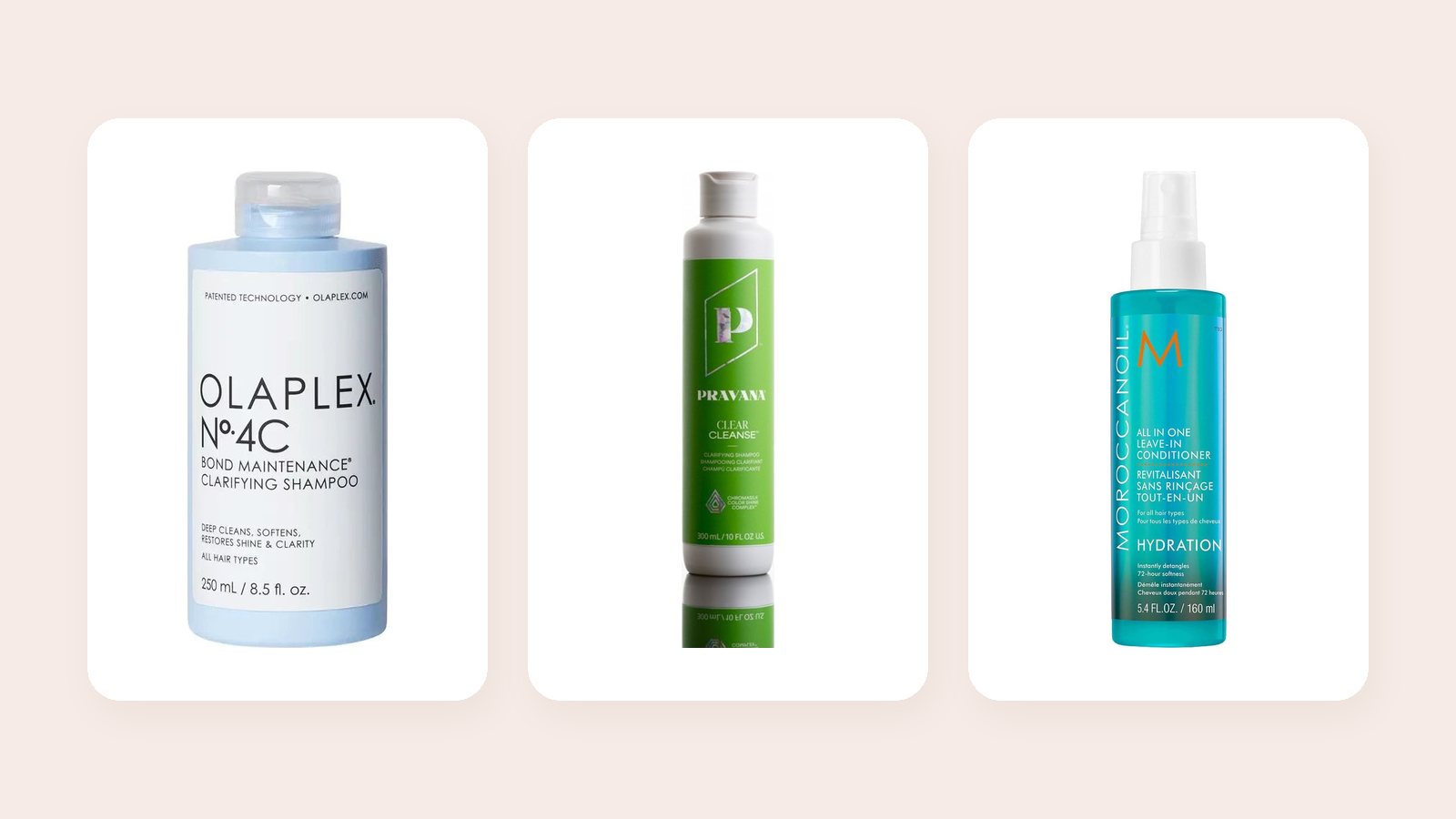
- Olaplex Nº.4C Clarifying Shampoo: Olaplex says it’s designed to remove chlorine, heavy metals, hard-water minerals and product buildup.
- Pravana Clear Cleanse: Pravana calls it a clarifying, demineralizing shampoo and says it removes copper and trace minerals from the hair.
- Color Wow Color Security Shampoo (travel size): a sulfate-free shampoo; Color Wow says every ingredient rinses off.
- amika hydro rush leave-in (travel size): a spray leave-in with hyaluronic acid and squalane; amika says it detangles and reduces frizz.
- Moroccanoil All in One Leave-in Conditioner: sprayed through towel-dried hair; Moroccanoil says it detangles and helps protect against breakage and heat.
- Innersense Sweet Spirit Leave In Conditioner: a light mist with aloe, tamanu oil and rosemary oil; Innersense says to spray it on wet hair, then detangle.
- Mizani 25 Miracle Milk Leave-In Conditioner: a leave-in conditioner.
- Moroccanoil Intense Hydrating Mask: for dry, medium to thick hair; Moroccanoil says to leave it on 5–7 minutes, once or twice a week.
- Olaplex Weightless Nourishing Mask: for fine to medium hair; Olaplex says to leave it on 3–5 minutes after shampooing, weekly.
Call or text (949) 591-5304 with your list and we will confirm stock and pricing, then pick up at our Westminster store.
Related reading: Clarifying Shampoo Guide, How to Keep Hair Color From Fading and Daily Sunscreen: How Much and When to Reapply.
FAQ
Does chlorine turn hair green?
Not by itself. The green is copper deposited in the hair; chlorinated water may help by damaging the cuticle so more copper binds (Roomans and Forslind). Cleveland Clinic calls the chlorine explanation a myth; Matrix blames chlorine.
Do I need to shampoo after every swim?
Rinse right away after every swim (AAD, Cleveland Clinic). The AAD then recommends a swimmers’ shampoo and a deep conditioner; Cleveland Clinic says to clarify only once in a while.
Does a swim cap keep hair dry?
Not completely. Cleveland Clinic says a well-fitted cap reduces chlorine exposure but no method blocks it fully, so soak your hair and add a leave-in first.
Does ketchup or tomato juice get green out of hair?
We found no published studies testing it. The dermatology case reports we read used chelating shampoos, and in one case a salon cut and new color.
Sources
- American Academy of Dermatology, Must-try summer hair care, 10 hair care habits that can damage your hair, Teaching your child healthy hair care habits, How often do children need to wash their hair? and How to apply sunscreen
- Cleveland Clinic, Protect Your Hair From Chlorine the Next Time You Go Swimming
- CDC, Preventing Swimming-related Illnesses, Preventing Eye Irritation from Pool Chemicals and Preventing Lice, Pinworms, and MRSA at the Pool
- U.S. Consumer Product Safety Commission, Pool Safely: Simple Steps Save Lives
- Studies: Lomelí-Legaspi E et al., The Greening of Hair, Skin Appendage Disord 2024; Tomas X et al., Pseudo Green Hair, Int J Trichology 2022; Schwartz RH et al., A teenage girl with green hair, Pediatr Dermatol 2014; Mascaró JM Jr et al., Green hair, Cutis 1995; Blanc D et al., green hair case study, Ann Dermatol Venereol 1988; Roomans GM, Forslind B, copper in green hair, Ultrastruct Pathol 1980; Nanko H et al., hair discoloration in elite swimmers, J Dermatol 2000; D’Souza P, Rathi SK, Shampoo and conditioners, Indian J Dermatol 2015
- Brands: Wella Professionals, How to Avoid Hair Color Fading; Matrix, 26 Tips to Help Color-Treated Hair; product pages for OLAPLEX Nº.4C and PRAVANA Clear Cleanse Shampoo
This is general information, not medical advice. Follow the directions on each product. If you notice eye, skin or breathing irritation at a pool, the CDC says to tell the lifeguard or pool operator. For hair that keeps breaking or a scalp problem that doesn’t clear up, see a board-certified dermatologist.