

Nội dung
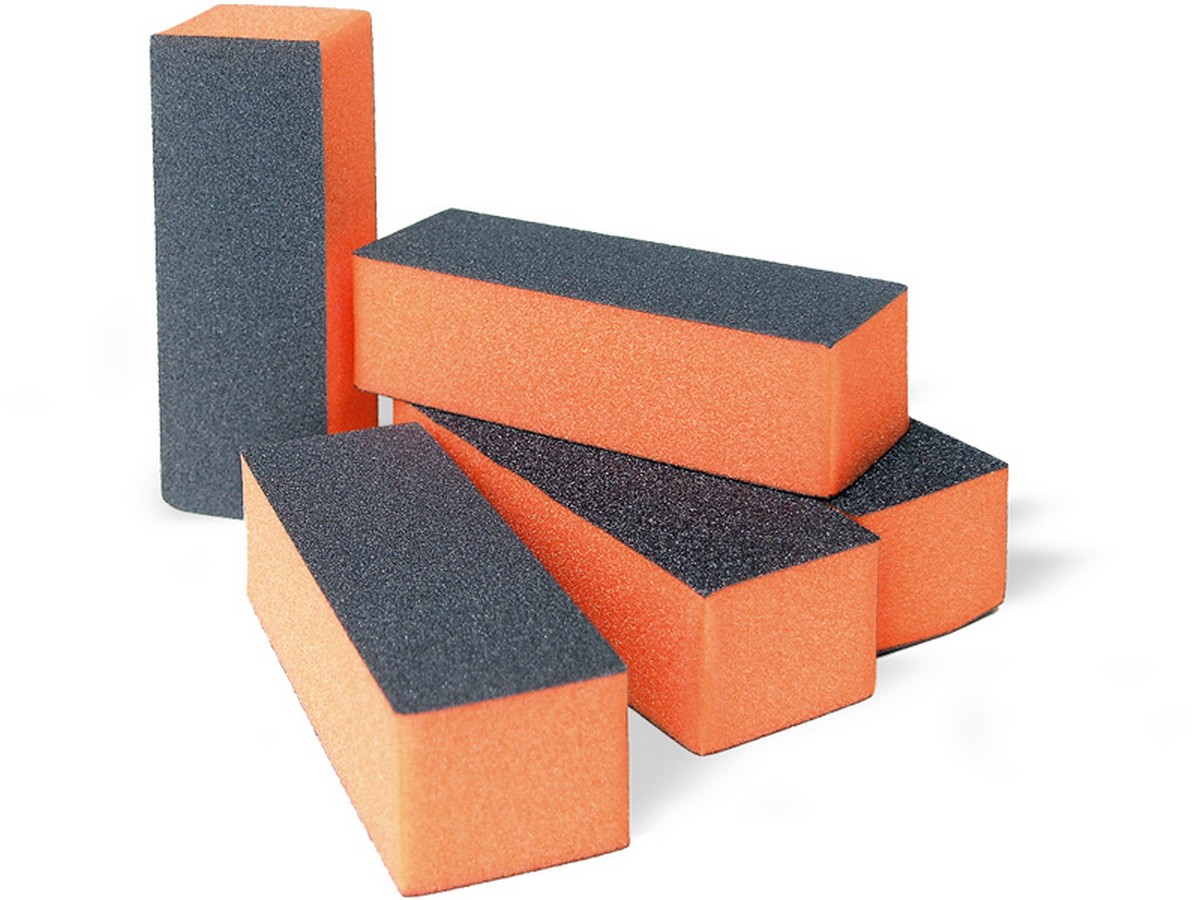
ToggleEvery technician knows the power of a good nail buffer — it’s the final touch that transforms a basic manicure into a flawless, lasting finish.
But even experienced professionals make small mistakes that can affect nail health, product adhesion, and overall client satisfaction.
At OBB Nails, we specialize in professional-grade nail buffers and prep tools designed for consistent results across every service. In this guide, we’ll go over the most common nail buffer mistakes seen in salons — and how to fix them with proper technique, training, and the right products.
1. Using the Wrong Grit for the Service
One of the biggest errors in salon buffing is selecting the wrong grit.
Each grit number serves a specific purpose — and using the wrong one can cause uneven surfaces or product failure.
Grit Breakdown:
|
Grit Level |
Use |
Best For |
|---|---|---|
|
80–180 |
Coarse |
Acrylics and artificial enhancements |
|
180–240 |
Medium |
Natural nail prep for gel or dip systems |
|
400–600 |
Fine |
Refining, smoothing ridges |
|
1000–2000+ |
Ultra-fine |
High-gloss shine on natural nails |
👉 The mistake: Using low-grit (coarse) buffers on natural nails — causing thinning or sensitivity.
👉 The fix: Train all technicians to match grit to service type. Use 180–240 for prep, 400+ for natural finish, and always keep buffers labeled by grit at each workstation.
OBB Nails offers pre-labeled buffers by grit number, making organization and quality control simple across multiple stations.
2. Over-Buffing the Nail Surface
Buffing is meant to refine, not remove. Excessive buffing — especially during prep — can over-thin the nail plate and lead to product lifting or cracking.
👉 The mistake: Applying too much pressure or buffing one area for too long.
👉 The fix: Light, even strokes. Move the buffer across the entire nail surface 3–5 times max.
Pro Standard:
Train techs to check for heat buildup — a sign of friction damage.
Rotate buffers regularly to prevent uneven abrasion.
When the buffer does the work, not the pressure, you get better adhesion and safer results.
3. Buffing Wet or Soft Nails
Water softens keratin layers in the nail, making them flexible and easy to damage.
When technicians buff wet nails, it often causes micro-tears that weaken structure and shorten polish retention.
👉 The mistake: Buffing immediately after soaking or scrubbing.
👉 The fix: Towel-dry nails completely and wait 2–3 minutes before buffing.
💡 OBB Pro Tip: Use lint-free wipes and alcohol-based dehydrator before buffing to ensure optimal dryness and adhesion.
4. Using Buffers Past Their Prime
A dull buffer is one of the most common issues in busy salons. As grit wears down, results become inconsistent — some areas over-buffed, others untouched.
👉 The mistake: Reusing the same buffer for too long.
👉 The fix: Replace buffers regularly, ideally after each client if disposable, or weekly for reusable tools.
For hygiene and efficiency, OBB Nails supplies wholesale disposable buffers — individually sealed and pre-sanitized, helping salons maintain compliance and save time.
5. Reusing Buffers Between Clients
In a professional salon, sanitation is non-negotiable. Buffers are porous, meaning they cannot be properly disinfected once used.
👉 The mistake: Sharing buffers between clients, even if sprayed with disinfectant.
👉 The fix: Always use disposable buffers or peel-and-replace grit systems.
Compliance Reminder:
Most U.S. state boards require single-use buffers for nail services. OBB Nails’ individually wrapped buffer packs make this process seamless — fresh tool, no cross-contamination, fully compliant.
6. Buffing in Multiple Directions
Buffing in random motions creates uneven shine and can cause thin “hot spots” on the nail surface.
👉 The mistake: Circular or back-and-forth buffing patterns.
👉 The fix: Train staff to buff in one direction only, using even, light pressure.
For example, buff from base to tip or side to side — but not both.
This technique also prevents streaking and ensures consistent product application.
7. Skipping Buffing Before Product Application
Some techs rush prep to save time, but skipping the buffing stage can lead to adhesion issues — especially with gel, dip, or acrylic systems.
👉 The mistake: Applying base coat or powder directly on unbuffed nails.
👉 The fix: Always use a medium-grit (180–240) buffer to smooth the nail plate and remove surface oils before any product.
This step helps product molecules bond evenly with the keratin surface — increasing retention and reducing chipping.
8. Neglecting Client Comfort During Buffing
Heavy buffing can generate friction heat, which feels uncomfortable or even painful for clients.
👉 The mistake: Pressing too hard or buffing too fast.
👉 The fix: Use steady, controlled motions with consistent rhythm.
Let the grit do the work — not the force.
Educate technicians to watch client reactions closely and adjust speed or pressure accordingly. A comfortable client is a returning client.
9. Forgetting to Hydrate After Buffing
Buffing removes natural nail oils. If technicians don’t rehydrate afterward, the nails may become brittle or dry — leading to peeling at the edges.
👉 The mistake: Finishing service without oil or lotion.
👉 The fix: Massage in cuticle oil or lightweight nail serum post-buff.
💅 OBB Pro Tip: Include this in your salon finishing routine — it adds luxury to the service while protecting nail health.
10. Inconsistent Technique Between Technicians
In multi-staff salons, results vary if everyone uses different pressure, grit, or buffing styles. That inconsistency can affect your salon’s reputation.
👉 The mistake: No unified buffing protocol.
👉 The fix: Standardize technique across all stations.
Recommended Protocol:
180–240 grit → Prep surface.
400–600 grit → Refine and smooth.
1000–2000 grit → Shine or final polish.
Label grit drawers clearly and conduct monthly technique refreshers. OBB Nails offers training buffer kits with multiple grits for educational sessions and consistency training.
11. Improper Storage of Buffers
Humidity and dust can degrade grit texture and contaminate clean buffers.
👉 The mistake: Leaving buffers exposed at workstations.
👉 The fix: Store buffers in sealed containers labeled “Clean Tools Only.”
Rotate inventory regularly and clean storage trays weekly. This not only maintains tool quality but also reinforces visual hygiene for clients.
12. Neglecting Staff Training on Buffing Pressure and Duration
Many new technicians don’t realize how quickly buffing can affect nail thickness. Without proper instruction, they may overwork the same area or use excessive pressure.
👉 The mistake: Lack of formal training on buffing intensity.
👉 The fix: Provide hands-on training. Have senior techs demonstrate pressure control using different grits and nail types.
Clients should leave with smooth, even nails — never thin or tender.
13. Overlooking the Role of Quality Tools
Even perfect technique won’t deliver professional results if the tools are low quality.
Poorly manufactured buffers shed grit, create uneven abrasion, or leave scratches on the surface.
👉 The mistake: Using cheap, inconsistent tools to cut costs.
👉 The fix: Invest in salon-grade buffers built with durable foam cores and precision-applied grit layers.
OBB Nails’ buffers are tested for consistency and longevity — ensuring smooth, even performance from first use to last.
14. How to Fix These Mistakes Long-Term
To eliminate these errors across your salon:
Standardize products — same grit, same brand, same results.
Train technicians — short monthly refreshers prevent skill drift.
Use disposable or labeled buffers for hygiene.
Order in bulk to maintain constant supply and reduce cost.
A consistent approach means fewer client complaints, faster service times, and stronger retention.
15. OBB Nails: Your Partner in Professional Hygiene and Performance
At OBB Nails, we know that success in this industry comes from precision, cleanliness, and consistency.
That’s why our buffers are designed to meet professional standards:
Available in multiple grits (180–2000+)
Pre-labeled for easy identification
Soft yet durable foam cores for comfort
Individually wrapped for hygiene compliance
Bulk cartons for large-volume salons and distributors
Every detail — from grit quality to packaging — is designed to help salons work efficiently while maintaining state-board standards.
Final Thoughts
A nail buffer is a small tool with a big impact.
Used correctly, it perfects the surface, enhances product performance, and builds client trust.
Used incorrectly, it can damage nails, cause lifting, and risk hygiene violations.
By training your team, using high-quality tools, and maintaining proper sanitation, you ensure every client leaves with nails that are smooth, healthy, and perfectly prepped for polish.
At OBB Nails, we make it easy — with professional buffers you can trust, shipped in wholesale quantities that keep your salon stocked, compliant, and shining with every service.
Because in this business, great results start with great tools.


