

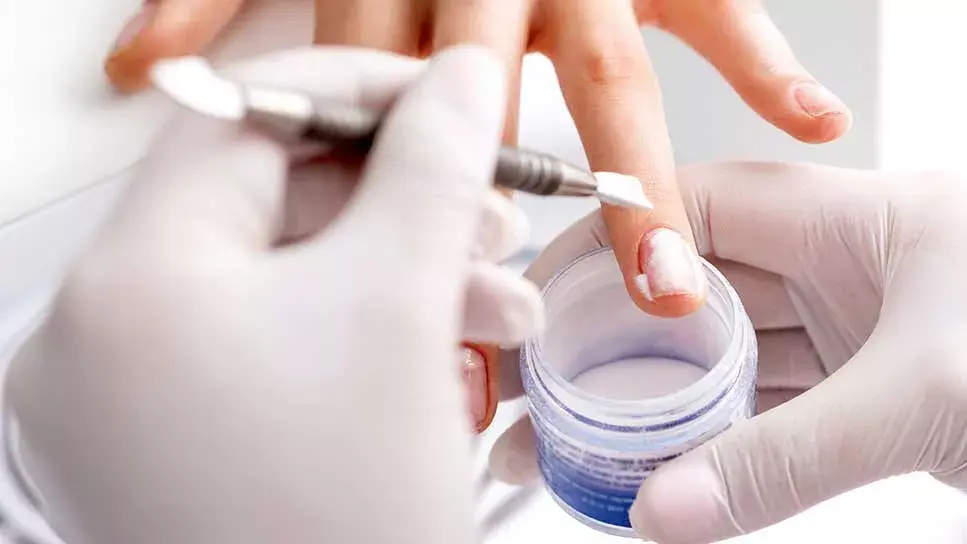
Dip powder nails have quickly become one of the most requested services in salons worldwide. Clients love them for their durability, chip-resistant finish, and endless design options. Unlike traditional polish, dip powder can last up to four weeks without losing its shine, making it a favorite among busy professionals and beauty enthusiasts alike.
But here’s the truth: with popularity comes responsibility. As more clients request dip powder nails, salons must elevate their hygiene standards and application techniques. Done improperly, dip powder nails can cause skin irritation, bacterial and fungal infections, or long-term nail damage. Done correctly, however, they remain one of the safest and most reliable nail services available.
This guide explores professional best practices for dip powder nails safety — helping salons not only deliver beautiful results but also protect client health and build trust.
1. Why Dip Powder Nails Safety Matters
Before diving into best practices, it’s essential to understand why safety is such a critical issue.
-
Shared products: Unlike gel polish, dip powders involve clients dipping directly into a container or using a brush that re-enters the jar. Without proper precautions, this creates cross-contamination risks.
-
Chemical exposure: Dip systems often use adhesives and activators containing ingredients like cyanoacrylate (similar to nail glue). If applied incorrectly, these can irritate the skin or cause allergic reactions.
-
Client confidence: Clients are more informed than ever. They ask questions about hygiene, air quality, and ingredient safety. Salons that prioritize safety position themselves as trusted professionals.
In short, safety isn’t just about avoiding problems — it’s about elevating the overall client experience.
2. Individual Powder Containers: No Double Dipping
The biggest red flag in dip powder services is double dipping. When multiple clients share the same powder jar, the risk of bacterial or fungal transfer skyrockets.
Professional guidelines include:
-
Use individual jars or small disposable cups of powder for each client.
-
Portion only the amount needed for the service.
-
Discard leftover powder after each use (never pour it back).
-
If offering a large shade range, pre-portion powders into single-use cups to streamline services.
Case example:
A salon in California made headlines after clients reported fungal infections linked to dip powder services. Investigations revealed the salon reused powders between clients. This not only damaged its reputation but also led to costly health inspections. Since then, state boards have repeatedly emphasized “no double dipping” as a golden rule.
3. Sanitation of Tools and Surfaces
Every nail tech knows the importance of disinfecting tools, but with dip powder nails, the stakes are even higher.
Best practices:
-
Sanitize reusable tools like cuticle pushers, nippers, and brushes with hospital-grade disinfectant after each client.
-
Use disposable files and buffers to prevent microscopic transfer of skin or nail debris.
-
Clean and disinfect work surfaces, lamps, and powder trays between appointments.
-
Store sanitized tools in covered, clean containers — not in drawers with dust.
Tip: Keep a visible sanitation station. Clients notice when they see tools being disinfected, and it builds trust in your salon’s hygiene.
4. Safe Application Techniques
Even with clean powders and tools, poor technique can harm nails.
Avoid:
-
Over-filing natural nails (weakens the nail bed).
-
Flooding the cuticles with adhesive or activator.
-
Rushing the curing process.
Instead, focus on:
-
Gentle prep: Lightly buff the nail’s surface without thinning it excessively.
-
Even base layers: Apply thin, smooth coats of base resin to prevent clumping or lifting.
-
Layer control: Dip nails at a 45-degree angle to ensure even coverage.
-
Activator timing: Allow proper drying time between coats to avoid brittleness.
💡 Pro Tip: Educate new nail techs that speed should never come at the expense of safety. A clean, careful application keeps nails healthier and prevents client complaints.
5. Ventilation and Air Quality
Dip powders themselves are not harmful, but the liquids used with them — base coats, activators, and sealants — can release strong fumes. In poorly ventilated salons, this may cause respiratory irritation, dizziness, or headaches.
Best practices for air safety:
-
Install a professional ventilation system designed for nail salons.
-
Use tabletop air filters at each station.
-
Encourage nail techs to wear masks (especially N95s or charcoal-filter masks).
-
Keep windows or doors slightly open to improve airflow.
Not only does this protect health, but it also makes the salon environment more comfortable for clients.
6. Hand Hygiene and Cross-Contamination Prevention
Clean hands are the first line of defense. Yet many salons overlook this simple step.
Best practices:
-
Ask clients to wash or sanitize hands before every service.
-
Nail techs should wash hands and wear gloves during dip powder applications.
-
Replace table towels, bibs, or armrests between clients.
-
Use disposable brushes or sanitize them immediately after service.
Remember: Safety protocols aren’t just behind-the-scenes — they should be visible to clients to reassure them.
7. Educating Clients on Aftercare
A salon’s responsibility doesn’t end when the client leaves. Without proper care, even the best-applied dip powder nails can lead to problems.
Aftercare tips to share:
-
Avoid peeling or picking dip powder, which can strip layers of the natural nail.
-
Apply cuticle oil daily to maintain flexibility and hydration.
-
Use gloves when doing household chores or cleaning with chemicals.
-
Schedule professional removal instead of DIY scraping or peeling.
-
Take occasional breaks between sets to allow the natural nail to recover.
By providing aftercare cards or digital guides, salons can reduce complaints and increase client satisfaction.
8. Case Study: Safe vs. Unsafe Practices
Consider two salons:
-
Salon A uses shared dip jars, rushes applications, and skips ventilation. Clients experience irritation, some report nail infections, and reviews plummet.
-
Salon B invests in disposable jars, enforces strict sanitation, and educates staff. Clients rave about the salon’s professionalism and refer friends.
The difference isn’t in the dip powder brand — it’s in the safety culture.
9. Building Client Trust Through Safety
Clients don’t just buy nail services; they buy confidence. When they know your salon prioritizes safety, they:
-
Return more often.
-
Recommend your salon to others.
-
Pay higher prices for premium, hygienic services.
Think of safety not as an added cost, but as a competitive advantage. In today’s market, clean salons stand out.
Conclusion: Beauty + Safety = Success
Dip powder nails can be both stunning and safe — when applied with professionalism and care. By avoiding cross-contamination, following strict sanitation, ensuring proper ventilation, and educating clients, salons can deliver services that sparkle without compromise.
At OBB Nail, we believe that safety is the foundation of beauty. Every dip powder service should not only enhance style but also protect client health. When salons embrace these best practices, they don’t just offer nails — they offer peace of mind.


