

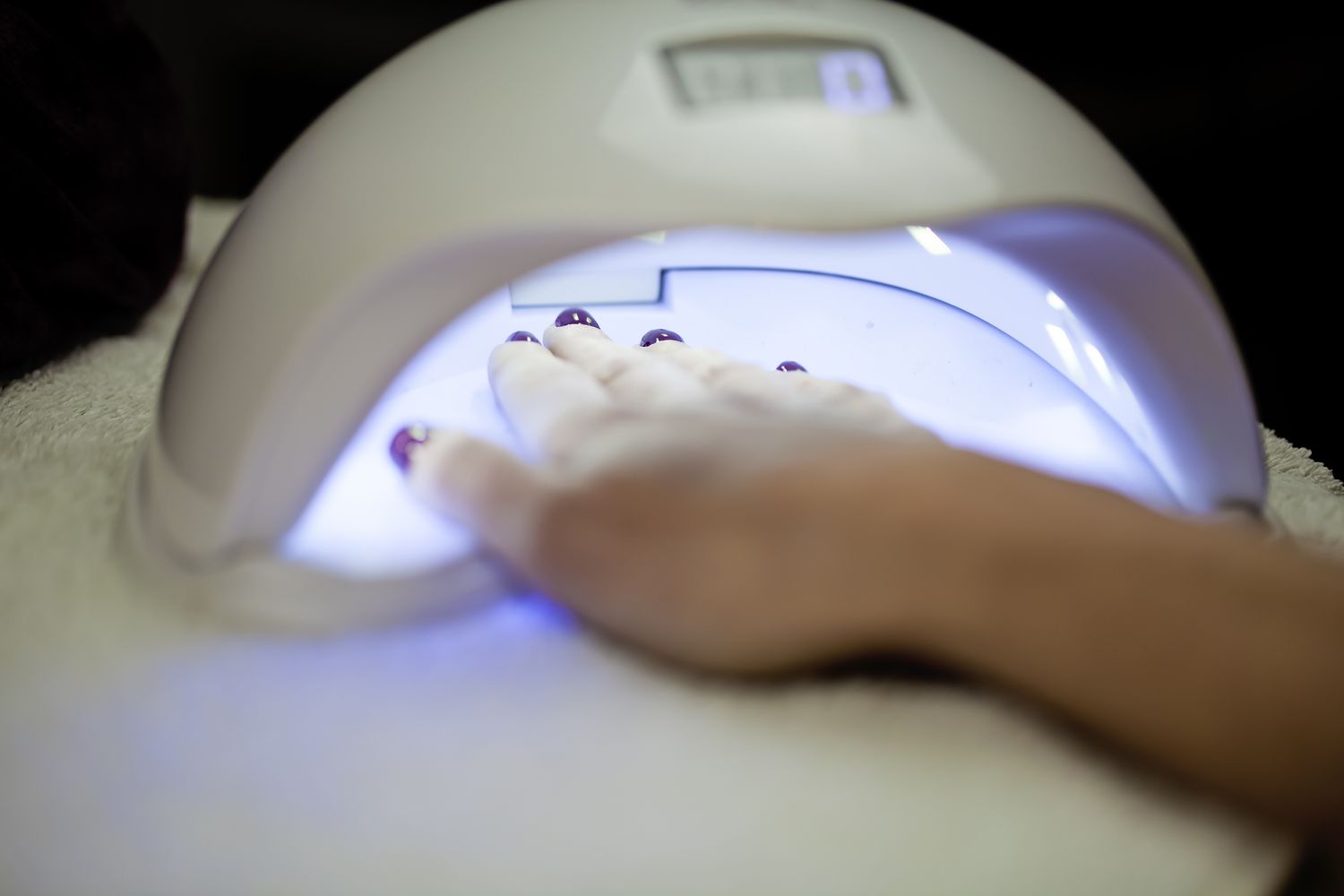
Acrylic nails remain one of the most requested services in nail salons. Clients love them for length, durability, and endless design possibilities. But while demand is steady, so is the responsibility of salons to prioritize acrylic nails safety.
Without proper application, removal, and sanitation, acrylics can leave natural nails damaged or infected — eroding client trust and exposing salons to regulatory risks. This guide outlines professional protocols, staff training, safe product selection, and retail strategies so your salon can deliver both beauty and safety.
Why Acrylic Nails Safety Matters
-
Client health: Prevent brittleness, infections, and allergic reactions.
-
Salon reputation: A single unsafe service can harm reviews.
-
Regulatory compliance: State boards closely monitor acrylic services.
-
Business growth: Safe practices build loyalty and encourage upsells.
👉 Safe acrylic services create healthier nails and happier, repeat clients.
Common Risks of Acrylic Nails
Unsafe practices can result in:
-
Over-filing: Weakens natural nails.
-
Infections: Caused by unsanitized tools or trapped moisture.
-
Chemical reactions: MMA acrylics can cause nail damage and pain.
-
Improper removal: Leads to peeling and nail bed trauma.
-
Cross-contamination: Shared files or buffers spread bacteria.
For salons, prevention is cheaper — and safer — than repair.
Professional Acrylic Nail Application Protocol
-
Sanitize: Wash and sanitize client and technician hands.
-
Prep gently: Use 180–240 grit files to avoid thinning the nail.
-
Dehydrate the nail plate: Use professional prep products.
-
Apply safe acrylics: Always EMA-based (ethyl methacrylate), never MMA.
-
Work cleanly: Avoid flooding cuticles with product.
-
Cure properly: Ensure correct setting times.
💡 Pro tip: Invest in staff training to ensure every technician follows the same routine.
Professional Acrylic Nail Removal Protocol
-
No peeling or prying.
-
Soak with acetone wraps or soak-off bowls.
-
Gently lift with orangewood sticks.
-
Buff lightly with 240 grit buffer.
-
Finish with oil and nail strengthener.
👉 Offering “safe removal” as a service sets your salon apart.
Acrylic Nails Safety: Products and Ingredients
Avoid:
-
MMA acrylics (methyl methacrylate): Too rigid, unsafe for nails.
-
Formaldehyde hardeners: Cause brittleness.
-
Cheap adhesives: Linked to allergic reactions.
Use Instead:
-
EMA acrylics (ethyl methacrylate): Safe and flexible.
-
Professional primers & dehydrators for adhesion.
-
Non-toxic top coats for reduced chemical exposure.
Promote transparency by showing clients the brands you use.
Staff Training for Acrylic Nails Safety
Consistency is key across technicians. Training should include:
-
Correct prep and filing techniques.
-
Safe handling of acrylic chemicals.
-
Client communication on aftercare.
-
Protocols for high-risk clients (diabetic, elderly).
💡 Hold quarterly workshops to refresh safety practices and introduce new products.
Building Client Trust Through Safety
Clients notice hygiene practices. Showcase safety by:
-
Unsealing sanitized tools in front of clients.
-
Using disposable files and buffers for each service.
-
Explaining product choices and why you avoid MMA.
-
Promoting “safe acrylics” as part of your salon’s brand.
👉 Visible hygiene is a trust-builder — and a marketing advantage.
Acrylic vs Gel vs Dip Powder: Which Is Safest?
-
Acrylics: Strong and versatile, but require chemical monomers.
-
Gel: Softer, less odor, cured with UV/LED.
-
Dip powder: Quick and durable, but hygiene risks if double-dipped.
Each system has risks. With professional training, acrylic nails safety is on par with gels or dips.
Acrylic Nails Safety Packages for Salons
Turn safety into a premium service:
-
Safe Acrylic Full Set: EMA-only acrylics, sanitized tools, disposable files.
-
Protect & Recover Package: Safe removal + oil massage + retail strengthener.
-
Premium “10-Free” Top Coat Upgrade: Use eco-friendly finishes for clients with sensitivities.
-
Acrylic Break Service: Rotate clients into natural nail recovery with paraffin dips and conditioning oils.
Safety-focused service menus not only reassure clients but also increase upsell potential.
Case Studies: Acrylic Nails Safety in Action
Case 1: MMA-Free Success
A salon switched exclusively to EMA-based acrylics and promoted it on Instagram. Allergy complaints dropped, and bookings increased 30%.
👉 Lesson: Safe products attract loyal clients.
Case 2: Staff Training Pays Off
After implementing a training program on filing techniques, nail thinning incidents decreased by 80%.
👉 Lesson: Training is profit protection.
Case 3: Recovery Services Boost Revenue
By offering a “Safe Removal & Recovery” package, a salon increased retail sales of cuticle oils and strengtheners by 40%.
👉 Lesson: Clients pay for safe aftercare.
Case 4: Building Trust with Transparency
A salon posted videos showing its sanitation and product labeling. Client trust soared, and reviews highlighted the salon’s professionalism.
👉 Lesson: Safety doubles as marketing.
FAQs About Acrylic Nails Safety (Professional Edition)
Q: Can acrylic nails cause permanent damage?
A: Not if applied and removed correctly. Damage comes from unsafe practices.
Q: How often should clients take breaks?
A: Every 2–3 months, with a recovery period using oils and strengtheners.
Q: Are disposable files mandatory?
A: Yes. They prevent cross-contamination and are inexpensive in bulk.
Q: How do I know if a product is MMA-based?
A: Strong chemical odor, overly hard nails, and unusually low cost are red flags.
Q: Can salons market “safe acrylics”?
A: Absolutely. Transparency builds trust and sets you apart.
Retail Opportunities Linked to Acrylic Nails Safety
Clients need home care to maintain natural nail health:
-
Cuticle oils for hydration.
-
Conditioning strengtheners for recovery periods.
-
Non-acetone removers for safe polish changes.
-
Retail acrylic-safe kits (buffer, file, oil).
💡 Create bundles as “Safe Acrylic Nail Kits” to boost retail revenue.
Why Choose OBB Nails for Acrylic Nails Safety Supplies
At OBB Nails & Hair, we supply salons with:
-
EMA-based acrylic systems in bulk.
-
Disposable files, buffers, and spa liners.
-
Hospital-grade disinfectants and gloves.
-
Retail-ready cuticle oils and strengtheners.
We help salons meet safety standards while boosting revenue through professional and retail solutions.
Final Thoughts
Acrylic nails are not unsafe — but unsafe practices are. By using safe products, training staff, and showcasing sanitation, salons can make acrylic nails safety a key part of their identity.
At OBB Nails, we believe safe salons are successful salons. With the right wholesale supplies and education, your business can deliver long-lasting acrylics without compromising natural nail health.
OBB Nails & Hair (Wholesale Supply)
10015 Garden Grove Blvd, Garden Grove, CA 92844
Email: info@obbnails.com
Phone: +1 (949) 591-5304


