

For salons and nail professionals, nail care goes beyond beauty. Clients don’t just come for stunning polish and designs — they come for trust. One lapse in sanitation can damage that trust, leading to client complaints, health issues, or even fines from inspectors.
That’s why nail salons must put nail hygiene tips at the center of daily practice. In this guide, we’ll cover the complete checklist salons can follow to maintain the highest hygiene standards, protect clients and staff, and strengthen their reputation in the beauty industry.
Why Nail Hygiene Is Critical in Professional Settings
Unlike home care, professional nail services involve frequent contact with multiple clients. Without strict hygiene:
-
Pathogens can spread quickly from client to client.
-
Fungal infections, warts, and bacterial issues can develop.
-
Regulatory agencies may issue warnings or penalties.
-
A single negative review can impact long-term business.
Strong hygiene protocols not only ensure compliance but also serve as a marketing advantage. Clients who feel safe and clean are far more likely to become repeat customers.
Understanding the Nail: A Technician’s Perspective
Nail technicians work closest to the natural nail, so understanding anatomy is key.
-
Matrix – where nail growth begins. Protecting it prevents long-term damage.
-
Cuticle – natural barrier. Improper cutting opens the door to infection.
-
Nail bed – delicate tissue beneath the plate. Must remain intact to avoid lifting.
-
Hyponychium – under the free edge, a hotspot for bacterial growth.
Educating staff on these areas ensures technicians handle nails with care while explaining proper hygiene to clients.
Step 1: Professional Handwashing Protocol
Every service begins and ends with hand hygiene. Both technician and client should wash hands before treatment.
Salon checklist:
-
Use antibacterial soap or foaming sanitizers.
-
Provide disposable paper towels (never shared cloths).
-
Keep nail brushes available for under-nail cleaning.
Some salons also offer hand sanitizing sprays at the station for an added layer of reassurance.
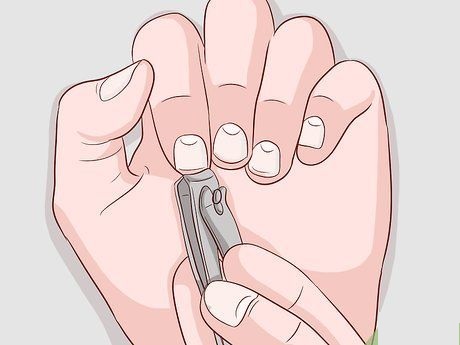
Step 2: Nail Length and Shape for Cleanliness
While clients choose their preferred style, technicians can educate them: extremely long extensions require more upkeep and increase risk of bacterial buildup.
-
Recommend manageable lengths for clients with hygiene challenges.
-
File using professional-grade nail buffers and files (180–240 grit for natural nails, lower grit for enhancements).
-
Always sanitize files between clients or use disposable buffers.
At OBB Nails, we supply wholesale nail files and buffers in bulk so salons can maintain both cost-efficiency and hygiene.
Step 3: Tool Sanitation and Sterilization
This is the cornerstone of nail hygiene tips in salons. Shared tools must be properly disinfected between every client.
Professional protocol:
-
Wash tools with soap and water.
-
Soak in hospital-grade disinfectant (e.g., Barbicide).
-
Rinse and dry with disposable towels.
-
Store in sealed, sanitized pouches.
For high-traffic salons, an autoclave sterilizer is a wise investment, meeting the strictest hygiene requirements.
Step 4: Cuticle Care and Infection Prevention
Clients often request cuticle trimming, but technicians must be cautious. Improper handling increases liability.
Salon hygiene tips:
-
Use only sterilized cuticle nippers.
-
Avoid deep cutting — focus on gentle pushing.
-
Apply professional-grade cuticle oil post-service.
Popular professional oils include CND SolarOil, OPI ProSpa, and Entity Cuticle Oil, available through salon distributors.
Step 5: Moisturizing as Part of the Service
Hand and nail hydration should be part of every appointment. Dry, cracked skin invites bacteria and ruins the manicure’s finish.
Professional salon options:
-
Paraffin wax treatments for deep hydration.
-
Professional hand masks (brands like AvryBeauty and Voesh).
-
Daily-use oils to retail to clients for at-home maintenance.
At OBB Nails, we provide wholesale paraffin wax and spa liners — ensuring salons deliver hydration services while maintaining sanitation.
Step 6: Smart Use of Nail Enhancements and Removers
Artificial enhancements require careful hygiene.
-
Always apply a base coat to protect natural nails from staining.
-
Limit acetone exposure during removal — ventilate areas to protect staff.
-
Educate clients on “rest periods” between long-term gel or acrylic applications.
Stocking high-quality non-acetone removers and base coats from trusted brands (like OPI and Gelish) reassures clients of safe practices.
Step 7: Gloves and Protective Barriers
Technicians should wear gloves during services that involve exposure to chemicals or skin contact.
Recommended options:
-
Nitrile gloves (latex-free, allergy safe).
-
Disposable aprons for technicians during pedicures.
-
Spa liners for pedicure tubs (a must for compliance in many U.S. states).
OBB Nails offers wholesale gloves and liners, helping salons meet hygiene codes affordably.
Step 8: Biting, Picking, and Client Education
Clients often arrive with damage from biting or picking. While technicians can beautify nails, education matters most.
-
Gently explain the risks of biting.
-
Provide aftercare leaflets with nail hygiene tips.
-
Offer anti-bite polishes as retail upsells.
When salons position themselves as educators, clients respect the expertise — and return more often.
Step 9: Nutrition and Lifestyle Advice
Though salons can’t prescribe supplements, technicians can suggest general nail hygiene tips related to nutrition.
-
Recommend a diet rich in biotin, iron, and vitamin E.
-
Suggest hydration as part of aftercare.
-
Display informational posters in the salon lobby — showing clients that nail health is holistic.
Step 10: Seasonal and Environmental Hygiene Protocols
Salons must adjust hygiene standards by season:
-
Winter: Provide extra moisturizers to fight dryness.
-
Summer: Educate on chlorine and UV damage.
-
Travel season: Offer mini kits (files, sanitizers) for clients on the go.
Step 11: Daily Salon Hygiene Checklist
Every salon should have a posted hygiene routine for staff.
Before opening:
-
Sanitize all workstations.
-
Ensure autoclaves and disinfectant jars are ready.
Between clients:
-
Sanitize tools, tables, and chairs.
-
Replace files if disposable.
-
Change spa liners and disinfect tubs.
End of day:
-
Deep clean the salon.
-
Dispose of single-use items.
-
Refill hand sanitizers and soaps.
When clients see these steps, they gain confidence in your professionalism.
Step 12: Staff Training and Compliance
Even the best checklist fails without proper training. Every nail technician should know:
-
Local health codes and regulations.
-
Correct tool sterilization methods.
-
Signs of infection and when to refuse service.
Regular refresher courses or workshops help keep the team updated.
Case Study: The Cost of Poor Hygiene
One U.S. salon faced fines after a client developed a serious infection traced back to reused pedicure tools. The bad press cost the salon dozens of clients.
In contrast, salons that openly advertise their strict hygiene protocols often attract more customers, positioning cleanliness as a unique selling point.
Final Thoughts
For salons and professionals, nail hygiene tips aren’t optional — they are the foundation of trust, safety, and success. Clean tools, safe practices, and professional products protect your clients and your business reputation.
At OBB Nails, we supply the wholesale essentials salons rely on: from files and buffers to gloves, spa liners, and paraffin wax. By combining proper protocols with professional-grade supplies, your salon can deliver not only beautiful nails but also peace of mind.
OBB Nails & Hair
10015 Garden Grove Blvd, Garden Grove, CA 92844
Email: info@obbnails.com
Phone: +1 (949) 591-5304


