

Nội dung
ToggleWhen it comes to nailing the perfect at-home manicure, we often focus on the tools—nail buffers, top coats, toe separators—but overlook one very important element: gloves. Whether you're applying polish, cleaning up cuticles, or prepping for a spa-like pedicure, wearing the right type of gloves isn't just about keeping things neat—it's about protecting your skin, ensuring spa-level hygiene, and enhancing the overall experience.
With so many options on the market—latex, nitrile, and vinyl gloves—choosing the right one can be confusing. If you're diving into DIY nail care for the first time or want to upgrade your current routine, understanding the difference between glove materials is key.
Let’s break it all down so you can choose the best glove for your at-home manicure and pedicure needs.
Why Gloves Matter in Nail Care
Wearing gloves during your nail care routine does more than just protect your polish from smudging. Here are a few reasons why gloves are essential, especially if you're doing your own nails:
Prevent contact with harsh chemicals in polish removers and cleansers
Reduce contamination during a manicure or pedicure
Avoid skin reactions from prolonged exposure to acetone or gel products
Maintain cleanliness when working on someone else’s hands or feet
Keep your hands soft by locking in moisture with lotion while you work
Now that we know why gloves are important, let’s dive into the main types used in beauty and nail care.
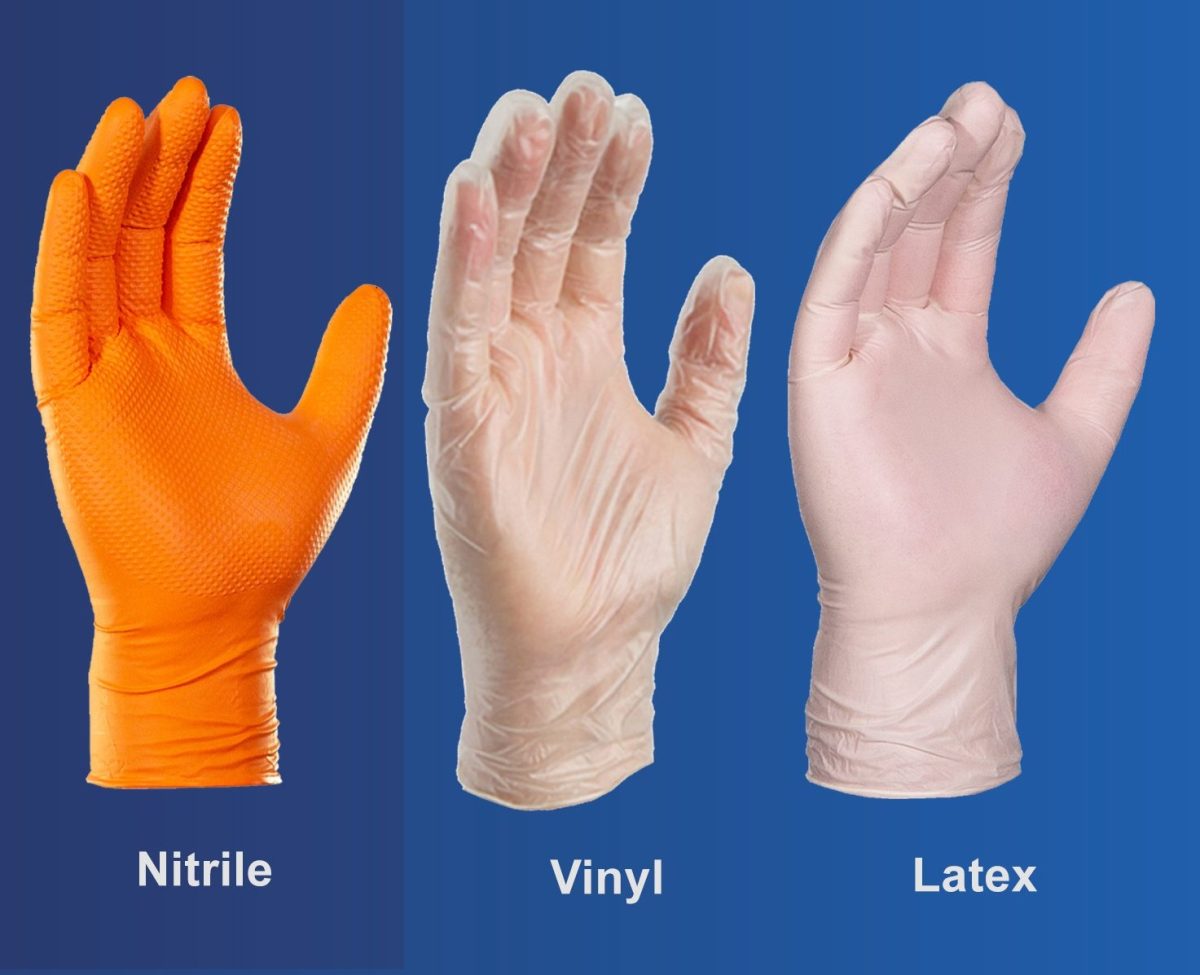
What Are the Differences Between Latex, Nitrile, and Vinyl Gloves?
Each glove material offers its own set of pros and cons, especially when it comes to comfort, flexibility, skin sensitivity, and protection.
1. Latex Gloves: Flexible, Comfortable, and Skin-Friendly
Latex gloves are made from natural rubber and are a popular choice in both medical and beauty settings. Their key advantage lies in their snug fit and tactile sensitivity, making them perfect for precision tasks like nail polishing and filing.
Benefits:
Excellent flexibility and dexterity
Great fit—feels like a second skin
Strong resistance to tears and punctures
Biodegradable (made from natural rubber)
Drawbacks:
Can cause allergic reactions in those with latex sensitivity
Not ideal for people with latex allergies
If you don’t have a latex allergy, these gloves are a dream for detailed work. At Meskinail.com, we offer high-quality latex gloves that are powder-free, easy to wear, and perfect for keeping your hands safe and soft during your nail sessions. Designed for sensitive skin, they allow you to move freely while offering solid protection from acetone, alcohol, or polish ingredients.
Learn more about latex allergies and symptoms from Medical News Today.
2. Nitrile Gloves: Durable and Allergen-Free
Nitrile gloves are synthetic and made from a type of rubber that’s more resistant to chemicals than latex. They're often used in medical settings and are a go-to option for those with latex sensitivities.
Benefits:
Hypoallergenic—no risk of latex allergy
High resistance to solvents, oils, and some acids
Strong and puncture-resistant
Long shelf-life
Drawbacks:
Slightly less flexible than latex
Less eco-friendly (synthetic material)
Nitrile gloves are an excellent option for anyone doing a lot of polish removal or working with gel/acrylic systems. If you prefer a glove that’s tougher and allergy-safe, this might be your best bet.
According to the FDA, nitrile gloves are widely accepted as safe alternatives for most tasks in the beauty and medical fields.
3. Vinyl Gloves: Affordable and Practical for Quick Tasks
Vinyl gloves are made from PVC and are typically used for low-risk tasks. They’re less durable than nitrile or latex, but for short sessions or quick cleanups, they’re cost-effective and easy to slip on and off.
Benefits:
Budget-friendly
Latex-free
Loose fit—easy to put on and take off
Drawbacks:
Less durable and more prone to tearing
Reduced tactile sensitivity
Not suitable for prolonged use with chemicals
Vinyl gloves are okay for light cleaning or quick polish changes, but not ideal if you're serious about DIY manicures or spa-level hygiene at home.
How to Choose the Best Gloves for Your Nail Routine
Here are a few things to consider before deciding:
|
Need |
Best Glove Type |
|---|---|
|
Maximum precision |
Latex |
|
Allergy-free experience |
Nitrile |
|
Short, simple tasks |
Vinyl |
|
Eco-conscious option |
Latex |
|
Working with acetone/polish remover |
Nitrile |
|
Moisturizing hand treatment |
Latex (with lotion underneath) |
A Quick Note on Fit and Comfort
Glove fit can make or break your nail session. Too tight, and your fingers cramp. Too loose, and you lose control over your tools. Meskinail’s latex gloves are available in multiple sizes and stretch easily to provide a snug but breathable fit.
If you’re using other products like our Toe Separator, Hook Slipper, or Pumice, gloves can also help keep your hands free from dust, polish, or exfoliating debris.
Meskinail Recommends: Why Our Latex Gloves Are a Manicure Must-Have
At Meskinail, we designed our latex gloves with the nail care lover in mind. They're:
Powder-free and hypoallergenic for sensitive skin
Textured for better grip during delicate polish work
Light and breathable for extended use
A perfect match with our Crystal and Matte Top Coats and Foundation base coats
Whether you’re soaking your feet in our Disposable Spa Liner or giving yourself a glow-up with our Nail Buffer, wearing gloves adds a layer of professionalism and care to your at-home routine.
Final Thoughts
Your hands deserve the same attention as your nails. Choosing the right gloves—latex, nitrile, or vinyl—can elevate your manicure or pedicure from average to amazing. For most at-home nail lovers, latex gloves strike the best balance between comfort, fit, and feel. But if you have sensitive skin or latex allergies, nitrile is a strong alternative.
For a deeper dive into glove material safety, you can also explore this WebMD article on latex sensitivity and skin protection.
Ready to upgrade your DIY spa setup? Explore our full range of manicure essentials at meskinail.com—from gloves to buffers, we’ve got your hands covered.


