

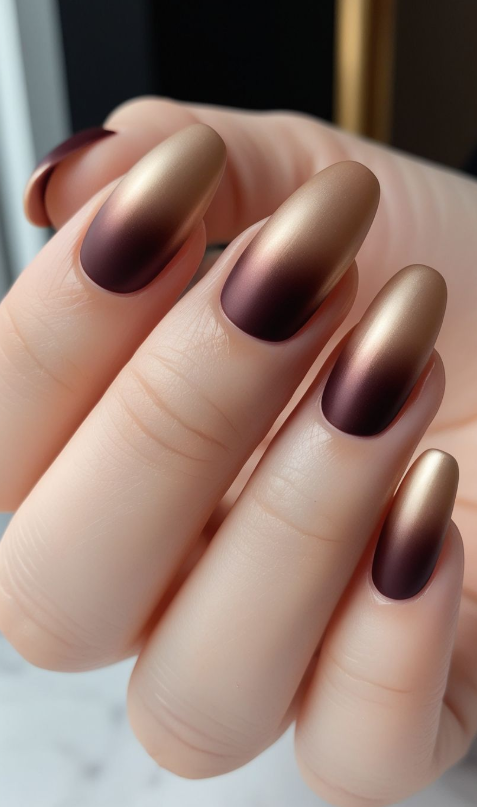
Top coat may be the last step in a nail service, but it has one of the biggest impacts on client satisfaction. For many nail salons, the question isn’t whether to stock top coat—it’s which type to prioritize: crystal (glossy) or matte.
In this in-depth guide, we’ll break down:
-
What crystal and matte top coats really do
-
Which clients prefer each finish
-
How salons should stock them smartly
-
How top coat choices affect speed, rework, and profit
This is written for busy retail salons, not theory—only real usage insights.
Why top coat choice matters more than salons realize
Clients may not know the chemistry behind top coats, but they absolutely notice:
-
Shine level
-
Texture
-
Longevity
-
How “finished” their nails look
From a salon perspective, top coat affects:
-
Service time
-
Redo rates
-
Client retention
-
Product consumption rate
Choosing the right mix of crystal and matte top coats helps salons deliver what clients want—without slowing down service or increasing waste.
What is crystal (glossy) top coat?
Crystal top coat is the classic, high-shine finish most clients expect.
Key characteristics
-
Glass-like shine
-
Enhances color depth
-
Smooth, reflective surface
-
Works with nearly all gel colors
It’s often associated with:
-
Clean, fresh nails
-
Professional salon finish
-
Long-lasting shine
For many clients, glossy nails equal “done right.”
What is matte top coat?
Matte top coat removes shine and creates a soft, velvety finish.
Key characteristics
-
No gloss or reflection
-
Muted, modern look
-
Highlights nail shape and design
-
Often used for accents or full sets
Matte top coat is popular with clients who want:
-
Something different
-
Trend-driven styles
-
Minimalist or fashion-forward looks
Client preference: what do most clients actually choose?
The reality in most salons
In day-to-day salon operations:
-
Crystal top coat is chosen far more often
-
Matte is usually requested intentionally, not by default
Why? Because glossy nails:
-
Look clean and polished
-
Match more outfits and occasions
-
Feel “safer” for first-time clients
For many salons, 70–85% of services finish with crystal top coat.
Who prefers crystal top coat?
Crystal top coat is popular with:
-
Everyday salon clients
-
Working professionals
-
Older demographics
-
Clients who prioritize durability
Typical requests:
-
Nude shades
-
Reds
-
Pinks
-
French or simple designs
For these clients, shine = quality.
Who prefers matte top coat?
Matte top coat tends to attract:
-
Younger clients
-
Trend-conscious customers
-
Nail art lovers
-
Social media–influenced styles
Matte is often used for:
-
Accent nails
-
Full matte black or neutral sets
-
Seasonal or fashion looks
Importantly, matte is rarely chosen by accident—clients ask for it specifically.
How top coat choice affects salon speed
Crystal top coat: faster and more forgiving
Crystal top coat:
-
Levels smoothly
-
Hides minor imperfections
-
Is easier to apply evenly
This makes it:
-
Faster for technicians
-
Ideal during peak hours
-
Less likely to require redo
Matte top coat: requires more precision
Matte top coat:
-
Shows streaks easily
-
Highlights surface flaws
-
Needs careful, even application
This can:
-
Slow service slightly
-
Increase redo risk if rushed
-
Require extra attention during curing
For busy salons, this matters.
Durability and maintenance: what clients notice later
Crystal top coat wear
Clients usually experience:
-
Gradual loss of shine
-
Chipping at tips over time
-
Predictable wear patterns
Most clients accept this as normal.
Matte top coat wear
Matte top coat can:
-
Develop shiny spots
-
Show oil marks
-
Lose uniform texture faster
This means:
-
More aftercare questions
-
More touch-up requests
-
Some clients switching back to glossy next visit
Stocking strategy: what salons should do
Smart salons don’t choose one—they stock both, but in the right ratio.
Recommended stocking ratio
For most retail salons:
-
Crystal top coat: 70–80% of top coat inventory
-
Matte top coat: 20–30%
This reflects real usage, not trends alone.
Why overstocking matte is a mistake
Matte top coat:
-
Has slower turnover
-
Is used less frequently
-
Can expire before finishing the bottle
Overstocking ties up cash without adding value.
Using top coats to increase client satisfaction
A smart approach is guided choice, not silent assumption.
Example:
“Would you like a glossy finish or matte today?”
This:
-
Makes clients feel involved
-
Introduces matte as an option
-
Reduces surprise dissatisfaction
Many clients stick with glossy—but appreciate being asked.
Top coat choice and redo prevention
Redo work kills profit.
Crystal top coat helps:
-
Hide minor surface issues
-
Reduce visible imperfections
-
Lower redo rates
Matte top coat:
-
Requires better prep
-
Needs experienced application
-
Is best handled by confident technicians
Assigning matte services to experienced staff improves efficiency.
Retail and upsell opportunities
Top coat differences can also support retail sales:
-
Explaining finish differences builds trust
-
Clients feel educated, not sold to
-
Some clients enjoy switching finishes seasonally
This strengthens long-term client relationships.
Practical tips for salons
To optimize top coat usage:
-
Default to crystal unless requested otherwise
-
Keep matte for intentional requests
-
Track monthly usage of both types
-
Train staff on matte application precision
-
Restock crystal more frequently
These small habits improve consistency and cost control.
Final verdict: which one do clients prefer?
Most clients prefer crystal (glossy) top coat.
It’s familiar, durable, forgiving, and fast.
However, matte top coat plays an important supporting role:
-
Trend-driven styles
-
Accent designs
-
Client personalization
Profitable salons don’t chase trends blindly—they stock based on real demand.
Final thoughts
Top coat choice may seem minor, but it influences:
-
Client satisfaction
-
Service speed
-
Redo rates
-
Inventory efficiency
By understanding how clients actually choose between crystal and matte finishes, salons can:
-
Stock smarter
-
Serve faster
-
Reduce waste
-
Increase long-term profitability


